


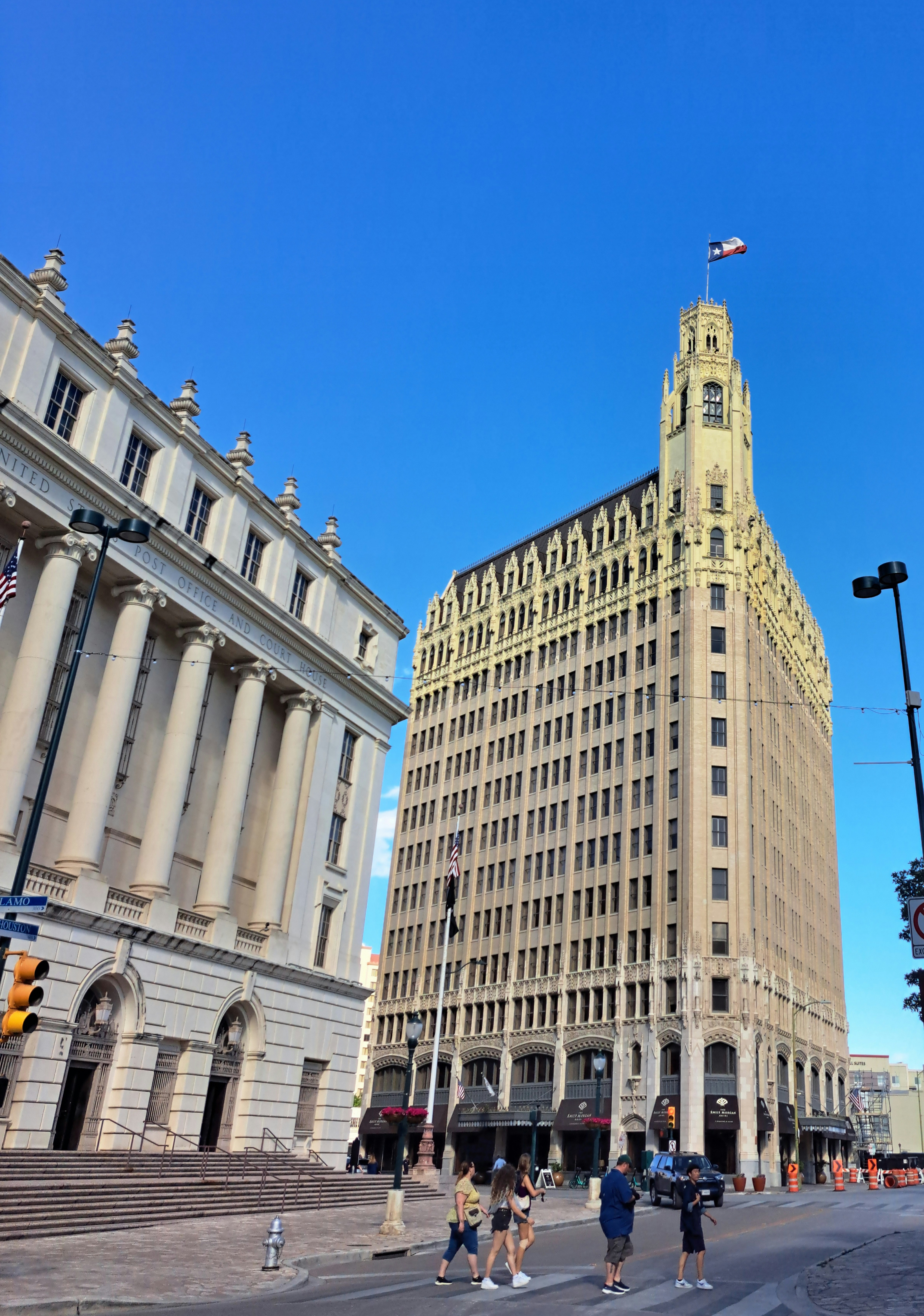
NYC, Philadelphia (2), San Antonio- City photos by the author, Laelia Watt
The Allentown, PA Symphony Orchestra was performing Ralph Vaughn William’s cantata, Dona Nobis Pacem, when I recalled my first impression of war. The piece was written between WWI and WWII as a plea for peace and using lyrics pulled from scripture, Walt Whitman’s poetry, and a speech by John Bright. The lyrics and music paint a bleak, detailed picture of the destruction, loss, and grief of war.
“Beat! beat! drums!—blow! bugles! blow!
Through the windows—through doors—burst like a ruthless force,
Into the solemn church, and scatter the congregation,
Into the school where the scholar is studying,
Leave not the bridegroom quiet—no happiness must he have now with his bride,
Nor the peaceful farmer any peace, ploughing his field or gathering his grain…” Walt Whitman
We sang this piece in the New Jersey Master Chorale one season, and I hated it at first. War and poverty are, to me, the most destructive and inhumane blights on the human existence. I think about them often enough already. I did not want to sing about bodies being laid in double graves and the rhythm of daily human life being obliterated by war. Eventually as a musician, I grew to appreciate the stark beauty of the lyrics set to the visceral music, but I was glad when our concert was over.
Yet, here I was, choosing to drive over an hour away from home to hear it performed by another choir with the Allentown Orchestra. I only went, because my church choir director was playing the organ with the orchestra for the cantata, and a singer I have followed on Instagram for six years, John Brancy, was performing the baritone solos.
During the performance, the lyrics were projected on the wall behind the choir, along with images taken during the world wars. One photo showed a few multi-storied buildings that had been bombed, part of the corner blown off and all the windows empty of glass, no person in their frame or standing around outside of the structure. The photo immediately brought to mind an image I had seen on TV as a little girl. It was the first time I had seen an image of war, let alone heard of the word “Sarajevo” or knew it was a place. Since the war in Bosnia lasted from 1992-1996, I was 8-12 years old, living a relatively safe life in America during those years, but seeing the news coverage of the broken, empty buildings was my first realization that war was a reality.
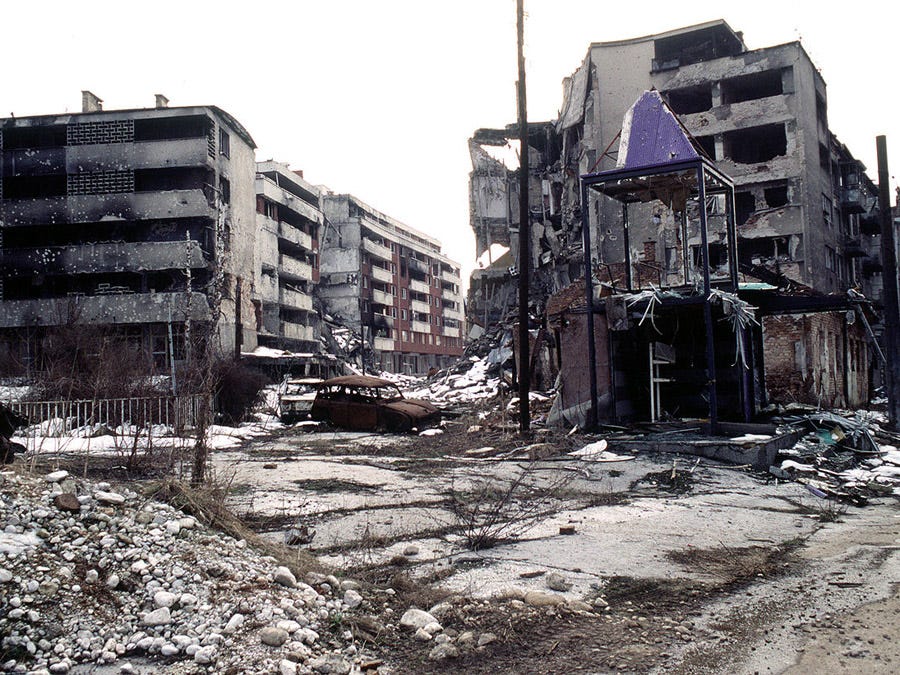
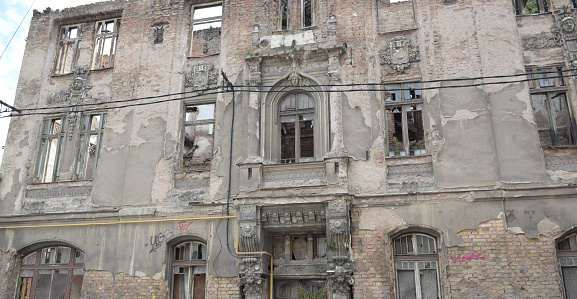

This was before September 11, 2001 when they televised the twin towers burning and before September 2015 when the news splashed the photo of the corpse of a 2 year old boy on the beach who drowned trying to flee the Syrian war with his family.
The images of Sarajevo were the first time I felt the emptiness which war brings. I hope I never have to experience it firsthand, and I remember praying as a teenager for my brothers and cousins, afraid that a war would break out, the draft reinstated, and my peace-loving, artsy family members would be forced to face atrocities no one wishes to see in our brief lifetimes. When I was in college and for two decades afterwards, many of my peers went off to fight in Iraq and Afghanistan. Here in America, life remained largely undisturbed, except for the news coverage and the friends and relatives returning battered or in coffins a reminder of the situation in another land.
I have read memoirs from the Holocaust since I was in high school, met new friends who were Syrian refugees in Houston, TX, and when living in St. Louis, Missouri, learned how the Bosnian refugees transformed rough, blighted parts of the city into thriving communities. From these stories and experiences, I cherished the peace I have experienced. Throughout the United States, in all of the regions I have lived and traveled, I enjoyed the relative safety of walking in the cities visiting cafes, meeting up with friends, soaking up the sun on a beautiful day. I have had the privilege of hiking in beautiful National Parks. I have gone peach picking in a local orchard. I have canoed down many rivers and walked many garden paths, felt the ease of strolling city sidewalks with my fellow strangers bustling about to their jobs and lunch dates. The beauty of peace is that humans are free to pursue their plans for the day, to dream about their lives and work towards their goals. Peace is the ability to walk into a grocery store expecting food to be on the shelves, to hail a taxi or Uber when you need one, to buy the toiletries you need on a daily basis, and to turn to loved ones for connection and laughter. Peace is the ability to go into your home or apartment complex without fear- to have a deep sleep, enjoy hobbies, feel a sense of safety, and to peer through clear glass at the world outside. It is a gift to wander busy streets lined with beautiful, towering buildings representing a wide range of architectural design still intact after generations of humans live and move among them. It is a gift to wash the windows of your own home thinking about meeting up with friends for dinner later.
The travesty and evil of war is that people in power decide to throw the lives of the vulnerable into chaos, or to take away their chance at living at all. This life is brief for every creature on the planet. War mongers rarely bomb rice fields or forests. Their aim is to enact the most damage, fear, and destruction possible. Cities- with all of the people going to church, synagogue or temple, planning their weekly meals in grocery store aisles, attending school and meetings- are the places that are gutted by war. It is sick to decide to take the most lives possible by targeting hospitals and apartment buildings, choosing to cripple food supplies, to tear families and communities apart.
These are the things I think about when I see images of buildings ravaged by war, reduced to rubble in the once vibrant streets, or standing half crumbled with empty windows like the soulless gaze of a person’s eyes whose dreams for a new day died with them.
 FRAGILE HUMAN
Yes, we take the wonderful details of peace for granted (you describe them so well) until we see the true horror of war. I’m glad you got to hear the musical version of it again. Thanks for posting this.
LikeLike